Cool-Season Sowing vs Warm Transplants in South Dakota Gardens
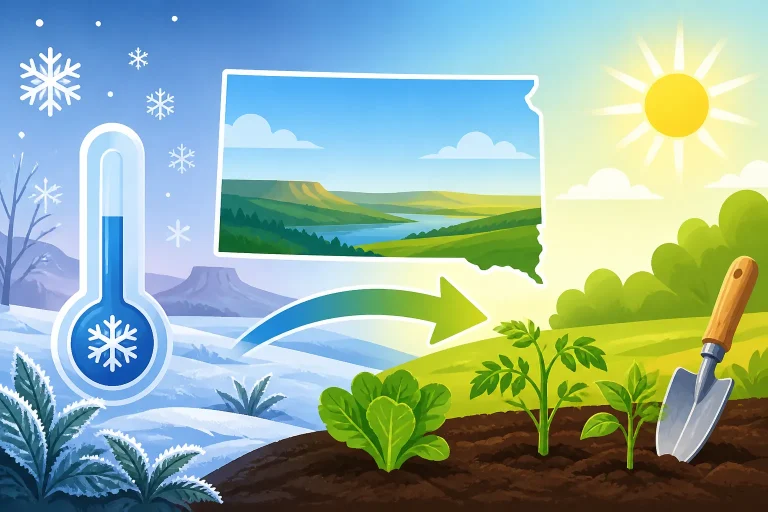
South Dakota gardeners have to balance crops that welcome cool spring conditions with tender vegetables that need warmer weather. Plant too early and a freeze can set plants back; wait too long and cool-season crops may struggle in summer heat. The best approach is to choose sowing or transplanting by crop, then adjust for your soil, site and local conditions.
Start with the crop, not a statewide calendar
A planting calendar is useful as a planning tool, but it cannot make every garden ready on the same day. South Dakota’s growing conditions vary by location, and even one yard can contain sheltered, sunny spots and colder, windier ones. Rather than treating a printed date as a go-ahead, ask what the crop needs and whether your garden is ready to provide it.
The basic choice is between direct sowing, when seeds go into the garden soil, and transplanting, when a young plant is moved from a pot or indoor growing area to its outdoor bed. Neither method is automatically safer or better. Direct sowing avoids transplant shock and is practical for many crops, but the seed must cope with outdoor soil and weather. Transplanting gives a plant a head start under protected conditions, but a tender seedling still needs to adjust to outdoor wind, sun and temperature swings.
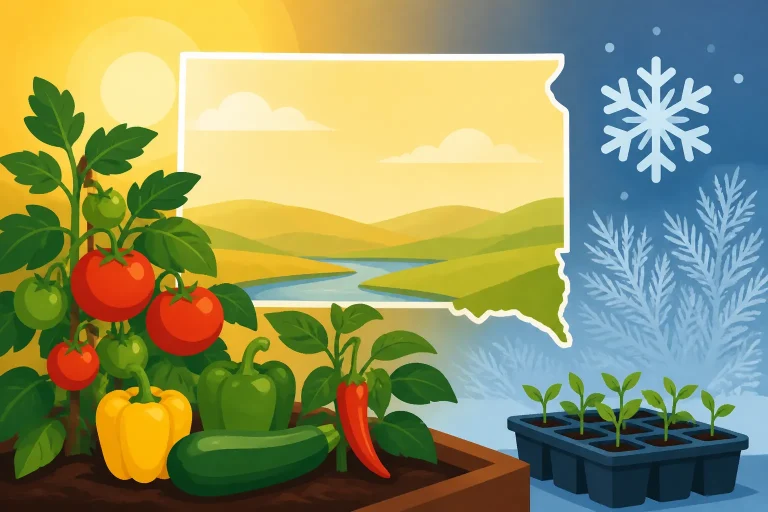
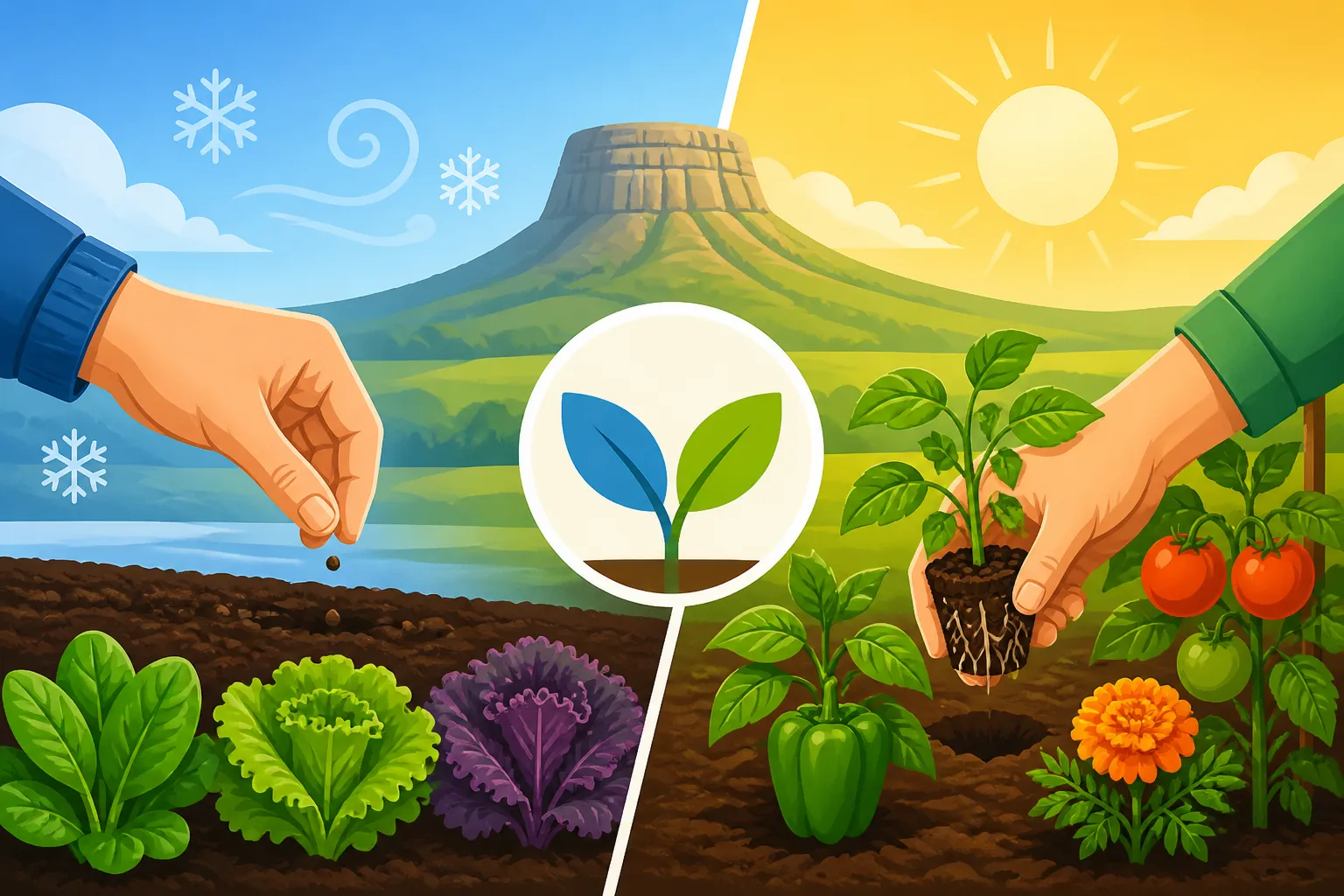
Cool-season crops and warm-season crops respond differently to that choice. Many cool-season vegetables can be sown outdoors while spring conditions are still chilly. Some, such as broccoli and cauliflower, are commonly started in protected conditions and then transplanted. Lettuce can be either sown directly or transplanted, depending on the gardener’s setup and preference. Warm-season crops such as tomatoes and peppers are generally started under protection and moved outside only when the growing conditions suit them.
These categories are useful, not absolute. A vegetable’s response depends on its variety, growth stage, soil and the weather it encounters. A hardy crop can still be slowed by waterlogged soil, while a warm-season transplant can be stressed by a cold night even after a stretch of pleasant afternoons. Check the seed packet or plant label for its growing guidance, then compare that with the conditions in your own bed.
The goal is not to plant everything as early as possible. It is to give each crop a suitable start. For a cool-loving vegetable, that might mean using spring’s mild conditions before summer heat arrives. For a warm-loving vegetable, it means holding back until the risk of damaging cold has eased and the soil is workable and warming.
That distinction helps make sense of a calendar: it is a sequence of opportunities, not a single planting day. If one bed is still wet and cold, another with better drainage and shelter may be ready first. If a forecast changes, you can delay a tender transplant without losing sight of the rest of the plan. For broader timing context, see When to Plant in South Dakota: Frost Timing and Safe Dates.
Decide whether to sow seed or set out a transplant
The crop’s growth habit and sensitivity to disturbance are practical starting points. Some vegetables establish well from seed in the garden. Others benefit from beginning life in a protected place, where they can grow while outdoor conditions are still unsettled. A third group works either way, leaving the choice to your space, schedule and comfort with seed starting.
Direct sowing is a straightforward option when the crop can germinate and grow in the soil conditions available to it. Peas, radishes, carrots, beets and many leafy greens are commonly grown from seed in the bed. Sowing directly also avoids the work of raising seedlings and the adjustment period that follows transplanting. The trade-off is that germination and early growth depend on conditions outdoors, where cold soil, heavy rain, drying wind or crusting can interfere.
Transplanting can be helpful for crops that need a longer period of growth or are easier to manage as established seedlings. Broccoli and cauliflower are often transplanted, as are tomatoes and peppers. A transplant already has leaves and roots when it enters the garden, but that does not make it immune to stress. A plant raised indoors may be tender, and even a sturdy-looking plant can struggle if it is placed into cold soil or exposed abruptly to strong wind and full sun.
Lettuce sits between these approaches. Direct sowing can provide a simple succession of plants, while transplants can be useful when you want to establish a small planting without waiting for outdoor seed to emerge. The right method can differ from one bed to another. If you have a protected area or container space, transplants may be convenient; if you want to avoid indoor starting, direct sowing is a reasonable option where soil and weather allow.
| Crop group or example | Common starting approach | What to watch for | Useful planning choice |
|---|---|---|---|
| Peas and many root crops | Direct sow in the bed | Soil that is too wet, cold or compacted can delay establishment | Wait until the bed is workable, then sow according to the packet |
| Lettuce and other greens | Direct sow or transplant | Heat can shorten the period of tender growth | Plan repeat sowings or use transplants to stagger establishment |
| Broccoli and cauliflower | Often started under protection, then transplanted | Both cold stress and later heat can affect establishment and quality | Choose an adapted variety and set out hardened seedlings in suitable conditions |
| Tomatoes and peppers | Usually started under protection, then transplanted | Tender plants can be damaged by cold and abrupt exposure | Hold plants under protection until outdoor conditions are more favorable |
| Beans, cucumbers and squash | Often direct sown or transplanted, depending on the crop and setup | These warm-season crops need conditions that support active growth | Avoid rushing either seed or young plants into cold ground |
The table is a starting point, not a substitute for the specific instructions on a seed packet or plant label. A packet may distinguish between direct sowing and indoor starting, or give guidance for a particular variety. Botanical Interests packets can be one source of that crop-specific information; compare the packet’s recommendations with conditions in your garden rather than assuming every seed or variety behaves the same way.
Direct sowing is especially attractive when you want to keep the process simple. You prepare the bed, sow seed at the depth and spacing on the packet, and keep an eye on moisture while seedlings emerge. But if the soil is hard, saturated or not yet workable, sowing into it just because a calendar suggests spring has begun can lead to poor establishment. If the bed is not ready, waiting or using a suitable protected starting method may be a better choice.
Transplanting offers more control over early growth, but it takes preparation. Seedlings raised indoors need to be gradually introduced to outdoor conditions before planting. They also need enough root space and attention while they wait. A transplant that has become root-bound or has been kept in weak light may not be a stronger garden plant simply because it is older. For indoor starts, Timing South Dakota Seedlings Under Lights Before Planting Out covers the planning side of raising seedlings.
Read your garden’s conditions before acting
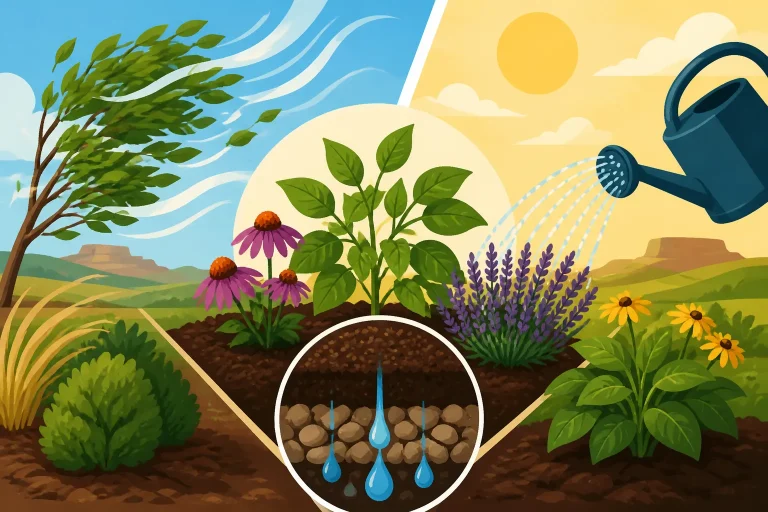
Frost is one part of the decision, but it is not the only one. The garden bed itself matters. Soil that is saturated, sticky or easily compacted is difficult to prepare and can be poor for new roots. A dry, exposed bed may need a different approach from a sheltered site that retains moisture. Wind can also dry young plants and loosen seedlings before their roots have anchored.
Start by looking at the bed rather than relying only on the air temperature. If working the soil smears it into clumps or leaves deep footprints, it may be too wet to prepare without damaging its structure. If it breaks apart readily and is not waterlogged, it may be closer to workable. These are practical observations rather than a universal soil test; the texture and drainage of your particular site shape what readiness looks like. For more on site conditions, see South Dakota Garden Climate: Soil Drainage, Wind, and Watering and How to Tell If Your Garden Soil Drains Well Enough for Vegetables.
Consider how the garden behaves overnight and during a cold snap. Low areas can collect cold air, while walls, fences or other shelter may reduce wind exposure. But a sheltered spot can also warm earlier during a sunny spell, encouraging plants to start growing before another cold period. Observe your own garden over time, and avoid treating a warm afternoon as proof that the entire bed has moved into settled spring conditions.
Forecasts help you respond to changing conditions, but they are not guarantees. Check local forecasts as planting approaches, paying attention to predicted overnight lows and any change in the outlook. A forecast for a mild stretch may support getting cool-season seed into a ready bed, but a possible cold snap should make you more cautious with tender seedlings. For a method of using forecasts as one part of the decision, see How to Time Outdoor Planting Using Local Frost Forecasts.
It also helps to separate “can survive” from “will grow well.” A crop may tolerate a chilly night yet make little progress in cold soil. A seedling may remain alive after being set out too soon but lose vigor or take time to recover. The goal is to establish plants with as little avoidable stress as possible, not merely to see whether they endure an unfavorable spell.
Variety choice can improve the fit between a crop and the season. South Dakota State University Extension recommends that most South Dakota gardeners look for heat-tolerant or widely adapted varieties, especially for cool-loving crops such as broccoli, cauliflower, and lettuce. South Dakota State University Extension also advises looking for varieties described as frost tolerant for early-spring or late-maturing crops. These descriptions are useful clues, but they do not remove the need to match the planting method to actual conditions.
Before sowing or transplanting, consider three questions:
- Is the bed workable, with drainage that suits the crop?
- Does the coming forecast support the crop’s tolerance and growth stage?
- Can you protect or delay the planting if conditions turn unfavorable?
If you cannot answer confidently, it may be better to hold back a tender transplant, prepare a different bed or start with a more cold-tolerant crop. For practical bed preparation, Spring Garden Prep Checklist for South Dakota Soils and Seeds can help you get the growing area ready before planting.
Use cool-season sowing to make the most of spring
Cool-season crops are often the first vegetables a gardener can plan to establish outdoors. They include greens and other vegetables that generally prefer mild conditions to summer heat. The point is not that they can grow in any cold or wet bed; they still need suitable soil and attention. Their advantage is that they can fit a spring window that would be too chilly for tender warm-season crops.
Direct sowing works well for many cool-season crops when the bed is ready. Prepare a fine, even seedbed, remove large clods and plant according to the packet. Seed depth and spacing vary by crop, so avoid using one rule for every vegetable. Once planted, keep the surface from drying out while seeds germinate, but do not keep soil saturated. A gentle watering approach helps prevent seeds from washing out or becoming exposed.
For peas and root crops, sowing directly avoids disturbing developing roots during transplanting. Small seeds, such as some greens, may be easier to distribute with care if the soil surface is even. If seedlings emerge too closely together, thin them as directed for the crop rather than allowing a crowded stand to compete for light, water and space. Keep the removed seedlings away from plants you want to retain if the crop is prone to being disturbed by pulling.
Lettuce offers flexibility. You can sow a short row directly, set out young plants or use both methods to spread the harvest. A succession approach means establishing a new small planting later rather than putting all the seed in at once. That can help avoid having every plant reach harvest at the same time, though the success of later sowings depends on the weather and the variety. If spring warms quickly, consider choosing an adapted variety and planning your next sowing around the conditions you actually see.
Broccoli and cauliflower are often started as seedlings and then transplanted. This gives them a chance to grow under more controlled conditions before entering the garden. The seedlings still need to be hardened off, and the bed should be ready to receive them. If you are interested in direct sowing cold-tolerant vegetables, Planting Cold-Tolerant Vegetables Before South Dakota Spring Freezes explains the considerations for that approach.
Cool-season crops can be set back by a sudden cold spell, especially if seedlings have not adjusted to outdoor conditions. A temporary cover may help buffer exposure, but a cover is not a promise that a plant can safely handle every forecast. Use an appropriate cover, secure it against wind and remove or adjust it when conditions require. If you use row covers, Using Floating Row Covers in High South Dakota Winds offers specific planning considerations for windy sites.
Heat is the other side of the cool-season challenge. As temperatures climb, crops such as lettuce may become less tender or shift out of leafy growth. That is why sowing early does not mean sowing without judgment: a cold, waterlogged bed can still be a poor home for seed, while a ready bed can provide a useful head start before summer conditions arrive. Choose crops and varieties that fit the likely conditions, and harvest promptly as plants mature.
The same seasonal logic applies to fall vegetables, though the direction is reversed. Late-maturing crops need enough time to establish before colder conditions return. If you plan a second growing window, When to Plant Fall Vegetables in South Dakota: Summer Windows can help you think through that separate schedule.
Hold warm-season transplants until conditions suit them
Warm-season vegetables need a different kind of patience. Tomatoes, peppers, cucumbers, melons, squash and beans do not benefit from being rushed into cold ground simply because seedlings are ready or the afternoon feels warm. Cool soil and cold nights can slow growth, and a tender transplant can be injured by a late cold snap. The calendar should therefore be treated as a prompt to check conditions, not an instruction to put every warm-season plant outdoors.
For tomatoes and peppers, indoor or protected starting can give plants a head start, but the plants need a careful transition. Bring them outdoors gradually before transplanting so they can adapt to sunlight, wind and changing temperatures. This process is called hardening off. Moving a seedling straight from a protected indoor space into a bright, windy garden can cause stress even if the temperature seems agreeable. See Hardening Off Spring Seedlings Before Planting Out in South Dakota for a focused look at that transition.
Before setting out a transplant, inspect the plant and the bed. A healthy seedling should be sturdy enough to handle the move, and the soil should be workable rather than saturated. Check the forecast for the period after planting, not just the conditions at the moment you are holding the plant. If a cold spell is possible, keeping the seedling protected for a little longer can be less risky than planting immediately.
Warm-season crops do not all have identical needs. Tomatoes and peppers are generally transplanted, while beans may be sown directly once conditions are suitable. Cucumbers and melons can be started in containers or sown outdoors, but their roots can be sensitive to disturbance, so any transplant should be handled carefully and planted before roots become crowded. Whatever approach you choose, follow the crop-specific directions on the packet or plant label rather than treating all warm-season vegetables as interchangeable.
A transplant’s size is not the only measure of readiness. Large plants can be awkward to establish if they have been held too long in a small container, while a smaller, healthy plant may settle in well when the weather and soil are suitable. If seedlings are waiting, give them appropriate light, water and space. Avoid using outdoor planting as a way to solve an indoor-care problem unless conditions outside are genuinely favorable.
After transplanting, water the root area so the soil settles around the plant, then monitor moisture as the plant establishes. Do not assume a young transplant needs constant soaking; overwatering can be as unhelpful as allowing the root zone to dry out. Wind and sun can increase water loss, so check the soil and plants rather than following a rigid schedule. Mulch can help moderate soil moisture and reduce weed competition once the bed and crop are ready for it; Mulching South Dakota Vegetables With Straw or Leaves discusses material choices and practical considerations.
If you want to use protective devices, such as row covers or individual plant protectors, think about ventilation and weather changes as well as cold protection. Covers may warm the space around plants during sunny conditions, so they need attention rather than being left in place without checking. Their ability to reduce exposure depends on the design, setup and weather. For tomatoes and peppers, Setting Out Tomatoes and Peppers After South Dakota Spring Freezes addresses the timing decision more specifically.
The main trade-off is simple: waiting can feel like lost time, but an early transplant that stalls or suffers damage may not deliver the head start you hoped for. A healthy plant set out into suitable conditions is a better foundation than a tender plant exposed to a preventable setback. If the forecast is unsettled, keep plants protected and be ready to revise the plan.
Build a flexible sequence instead of one planting day
A workable planting plan separates crops by their needs. Start by listing what you want to grow, then mark whether each crop is best direct sown, commonly transplanted or suitable for either approach. Note any instructions on the packet, including variety descriptions and recommended starting methods. This small amount of preparation makes it easier to respond when spring conditions change.
Next, organize the garden into stages. Cool-season seed and seedlings can be considered first, once the bed is workable. Warm-season plants remain protected while you watch the soil and forecast. Later sowings can be added as the season progresses, especially for crops that can be established in more than one round. This keeps the plan moving without forcing every vegetable into the ground at once.
A flexible sequence might look like this:
- Prepare the beds. Check drainage, remove weeds and loosen soil only when it is not excessively wet. Make sure the planting area suits the crop’s light and moisture needs.
- Start with suitable cool-season crops. Direct sow crops that are appropriate for outdoor establishment, or prepare to transplant seedlings that have been hardened off.
- Watch for emergence and establishment. Keep seedbeds appropriately moist and check whether seedlings are emerging evenly. Respond to crusting, washout or drying conditions before they become severe.
- Keep warm-season plants protected. Continue caring for indoor starts and acclimate them gradually when conditions allow.
- Set out tender transplants cautiously. Use the forecast and bed conditions together, and postpone planting if a cold spell or unsuitable soil is likely.
- Reassess after weather changes. A warm stretch can be followed by colder weather, while a wet spell can make a prepared bed temporarily unworkable. Adjust rather than treating the first plan as fixed.
This sequence does not require every crop to be planted on a particular day. It gives you a way to decide what can go ahead and what should wait. If a cool-season bed is ready but the tomato area is not, plant the former and hold the latter. If a transplant is hardened off but the forecast turns uncertain, keep it protected until conditions improve. Separating decisions by crop avoids the all-or-nothing feeling that can come from planning around a single date.
Keep basic notes as the season unfolds. Record when you sowed or transplanted, what the weather did and how each crop responded. You do not need a complicated chart. A few observations can show whether one bed warms earlier, whether wind affects seedlings or whether a particular crop benefits from direct sowing in your garden. Over time, those notes can make your calendar more useful than a general schedule because they reflect your site.
It is also reasonable to use more than one planting method for the same crop. A small direct-sown row and a few transplants can spread risk and provide a practical comparison. If one approach fits your garden better, you can use that information in future seasons. Avoid committing the whole bed to an unfamiliar technique before you know how it performs under your conditions.
When plants fail to establish, look for the cause before changing the entire calendar. Seed may not have emerged because soil dried, became waterlogged or was planted at an unsuitable depth. Transplants may struggle because they were not hardened off, were set into cold or wet soil, or faced drying wind. Correcting the cause is more useful than automatically sowing earlier next time.
Finally, choose varieties with the season in mind. A variety suited to a shorter or variable growing window is often a more practical choice than one that demands conditions your garden may not provide. Read packet descriptions, compare them with local growing conditions and keep expectations flexible. The aim is steady establishment and a harvest that fits your garden, not a race to plant first.
Frequently Asked Questions
Can cool-season vegetables be planted before the last spring frost?
Some cool-season vegetables can be sown or transplanted under chilly spring conditions, but tolerance varies by crop, variety and growth stage. Check the packet, assess whether the soil is workable and follow local forecasts. A crop’s ability to tolerate cool weather does not mean every cold or wet planting site is suitable.
Should I start warm-season vegetables indoors?
Starting tomatoes and peppers in a protected place is a common way to raise transplants before outdoor conditions are suitable. The seedlings still need good care and a gradual transition outdoors. Some warm-season crops can also be direct sown once conditions support establishment, so check the instructions for the crop and variety.
Is direct sowing or transplanting better for lettuce?
Either method can work. Direct sowing avoids transplanting and can be repeated for staggered plantings; transplants can help establish plants without waiting for outdoor seed to emerge. Choose based on your setup, the packet’s directions and the conditions in the bed.
What should I do if the forecast changes after I plant?
Check the crop’s tolerance and the likely conditions rather than assuming every planting needs the same response. For exposed seedlings or transplants, temporary protection may help, but covers need attention as conditions change. If plants are still waiting under protection, delaying their move outdoors may be the simpler option.
How can I make next year’s planting plan more accurate?
Keep brief notes on when you sowed or transplanted, how the weather behaved and which methods worked in each bed. Record problems such as poor emergence, waterlogged soil or wind stress. Those observations can help you adjust the sequence and variety choices for your own garden.
Sources
- South Dakota State University Extension — Choosing Vegetable Varieties for South Dakota (checked November 15, 2026)
Disclaimer
This article is for general informational purposes only and does not constitute professional advice. Laws, prices and regulations vary by location and change over time. Consult a qualified professional for guidance on your specific situation. South Dakota Gardening Guide is not a government agency and is not affiliated with any university extension, state department of agriculture or other government agency.