Timing Warm-Season Garden Vegetables for South Dakota Frosts
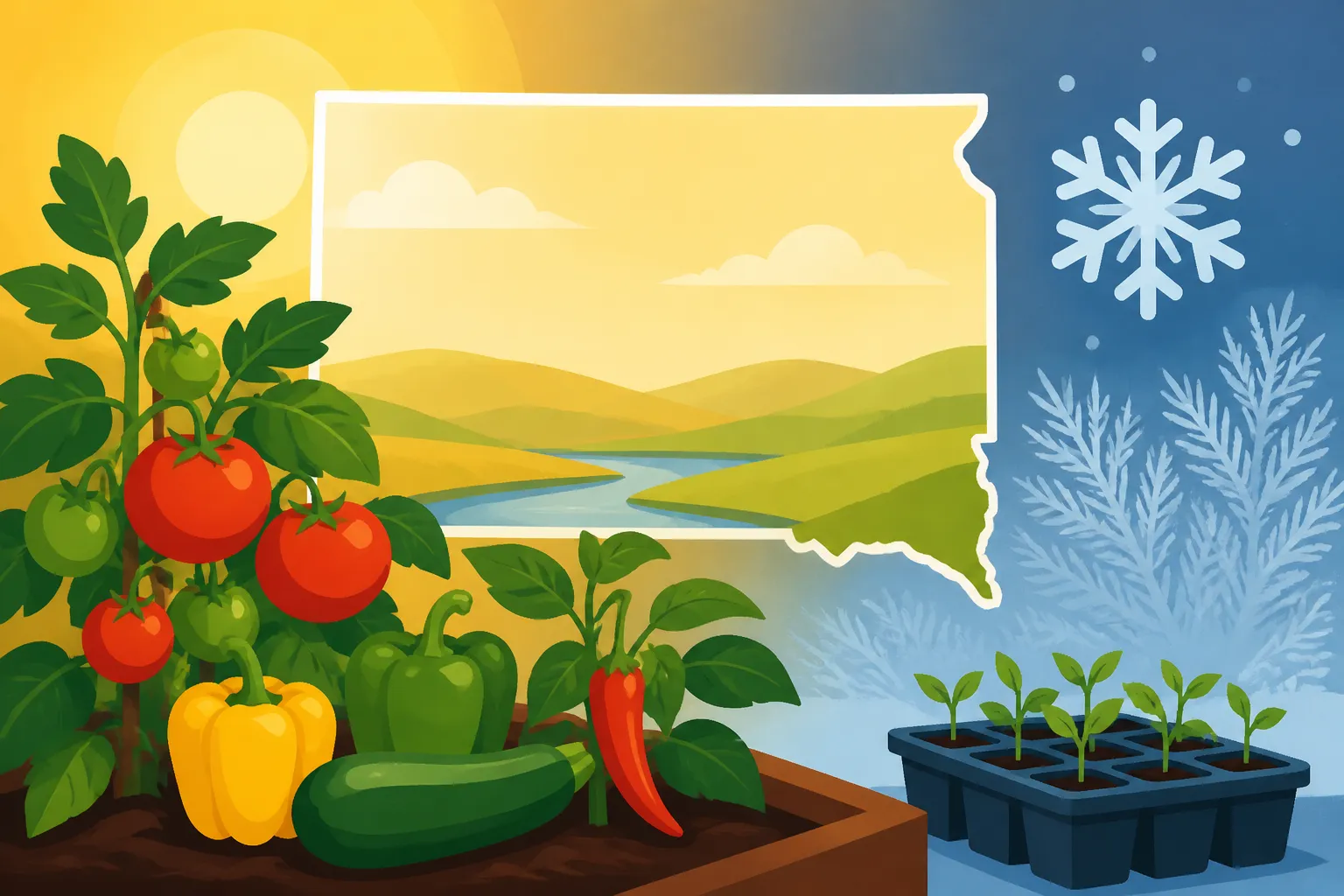
South Dakota’s short, changeable spring makes warm-season planting a timing problem: a sunny afternoon can be followed by a damaging freeze, and conditions differ across the state. This calendar helps you decide what to plant, what to hold back, and how to protect tender crops without relying on one date for every garden.
Why warm-season planting is a frost-risk decision
Tomatoes, peppers, beans, corn, cucumbers, squash, pumpkins, and melons need warmth to grow well. Many are injured or killed by frost, and even a chilly night without frost can slow growth, damage leaves, or set back a newly planted transplant. Putting them out early does not necessarily mean an earlier harvest: cold-stressed plants may stall while the garden waits for suitable weather.
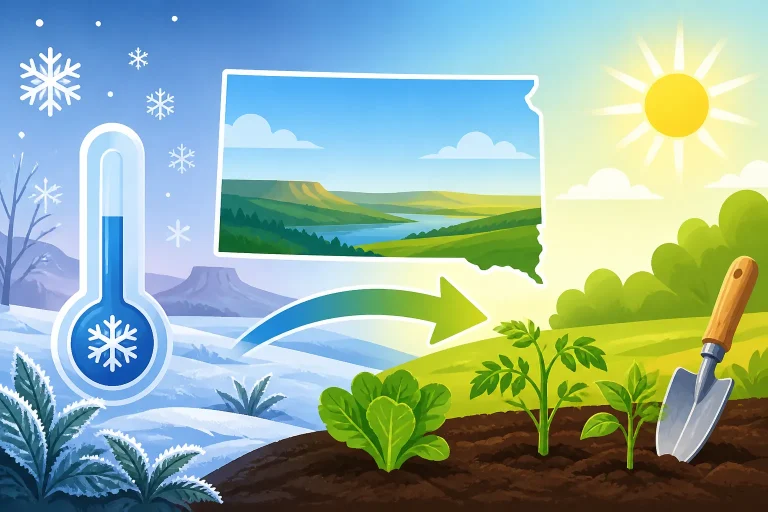
South Dakota’s growing conditions are not uniform. Eastern and western areas differ in elevation, wind, soil, and typical spring weather. A sheltered garden in a warm pocket may be ready before a low-lying, exposed site nearby. Even within one town, slopes, walls, and tree cover can affect nighttime temperatures. That makes a local forecast and the condition of your garden more useful than a single statewide planting date.
A frost date is a planning estimate, not a promise. The probability attached to a date describes the chance of a frost occurring by that point; it does not mean the weather will follow a fixed schedule. Freeze risk can continue after a commonly used average date, and a late cold snap can arrive when plants are already outside. For background on how local timing varies, see Why One Frost Date Cannot Cover All of South Dakota and Comparing Spring Freeze Timing: Southeast Plains Versus Western SD.
A useful approach is to make planting decisions in stages:
- Prepare beds and start tender crops indoors while spring weather is unsettled.
- Plant cold-tolerant vegetables first, once soil and conditions suit them.
- Harden off indoor starts gradually rather than moving them straight from a protected room into wind and full sun.
- Set out warm-season crops when frost risk has eased and the soil is warm enough for the crop.
- Keep protection ready for a forecast cold snap, especially during the first weeks after planting.
The goal is not to avoid every cool night. It is to avoid exposing tender plants to cold conditions that are likely to harm them, while still making good use of the growing season. For a broader look at the sequence, When to Plant in South Dakota: Frost Timing and Safe Dates and South Dakota Vegetable Gardening: Crop Selection and Timing can help you coordinate crops with local conditions.
A practical sequence for South Dakota’s warm-season crops
Instead of planting every warm-season vegetable on the same weekend, group crops by how they respond to cold. This gives the more tolerant crops a chance to get established while the garden waits for reliable warmth for the most sensitive ones.
| Crop group | Examples | General timing approach | Main cold-weather concern |
|---|---|---|---|
| Relatively quick, direct-sown crops | Beans, sweet corn | Wait for workable, warm soil and a favorable forecast; sow in stages if desired | Cold, wet soil can delay germination or damage seeds |
| Tender transplants | Tomatoes, peppers | Harden off first; plant when frost risk has eased and nights are becoming milder | Frost injury, wind stress, and a pause in growth after chilling |
| Warm-loving vines | Cucumbers, squash, pumpkins, melons | Wait for warm soil and settled weather; protect young plants if a cold snap is forecast | Cold soil and nights can cause severe setback |
| Heat-loving, longer-season crops | Some melons and large-fruited tomatoes | Choose suitable short-season varieties and avoid rushing them into cold conditions | Too little warm weather to mature fruit if planted late or poorly adapted |
These are broad categories, not guarantees. Variety, garden exposure, and weather all matter. A crop can tolerate a brief cool spell better once established than it can tolerate cold soil during germination or just after transplanting. The local forecast should guide your final decision.
Tomatoes and peppers
Tomatoes and peppers are common indoor-start crops, but their size can be misleading. A large plant is not automatically ready for the garden. If it has not been acclimated to direct sun, wind, and outdoor temperature swings, a sudden move can cause leaf scorch, broken stems, or a growth setback.
Use a gradual hardening-off period. Begin with a short stay in a sheltered spot, then increase outdoor exposure over several days as conditions allow. Avoid leaving plants outside overnight while temperatures remain uncertain. Sturdy, compact transplants are generally easier to manage than tall, weak seedlings that have outgrown their containers.
Set out these crops only when the expected weather and soil conditions suit them. A plastic cover or other temporary protection may reduce risk, but it cannot make a severely cold planting window safe. For specific transplant timing and protection choices, see Setting Out Tomatoes and Peppers After South Dakota Spring Freezes and Protecting Tender Transplants From Sudden Spring Cold Snaps.
Beans and sweet corn
Beans and sweet corn are usually sown directly in the garden rather than transplanted. Seeds need suitable soil conditions to germinate. If the bed is cold and wet, seed may emerge slowly or fail, leaving gaps and uneven rows. Waiting for warmer, workable soil is often more useful than sowing as early as possible.
Beans can be sown in more than one batch, which spreads out harvest and reduces the risk of losing the entire planting to an unfavorable spell. Successive sowings work best when there is still enough growing time for the selected variety to mature. For more on that decision, see Deciding When to Direct-Sow Beans vs Starting Seeds Indoors.
Sweet corn depends on successful pollination for well-filled ears. Rather than planting a single short row, gardeners often plant in a block or several nearby rows, with the spacing recommended for the variety. This helps pollen reach the silks. A cold start can slow emergence, so a warm, prepared seedbed matters as much as the calendar.
Cucumbers, squash, pumpkins, and melons
Vining crops are especially tempting to plant early because they can take up substantial space and may seem to need a long season. But they are sensitive to cold soil and chilly nights. A young vine that sits in cold conditions may stop growing, become vulnerable to damage, or take time to recover after the weather improves.
Direct sowing can avoid transplant shock, while indoor starting can give a short-season crop a head start. Either method can work, but transplants need careful handling: vine roots can be disturbed easily, and plants that become root-bound may be harder to establish. If starting indoors, use containers that allow the roots to develop without being held too long. When to Transplant Vine Crops Before Container Roots Bind covers this trade-off, and Transplanting Cucumbers and Melons Two to Three Weeks Post-Sow offers a crop-specific option.
Use local frost risk, soil, and forecast together
A calendar can narrow the planting window, but three checks help turn it into a decision: local frost risk, soil readiness, and the short-range forecast. None is enough on its own.
Check the local frost pattern
Look for information based on a nearby weather station or area rather than assuming that a statewide average matches your garden. A date associated with a 50% probability of frost is a different kind of planning reference from one associated with a 90% probability. Neither says a frost cannot happen afterward. The date varies from year to year, and a station may not reflect a sheltered backyard or a cold pocket in the landscape.
Use probability as a way to understand risk, not as a planting command. If a warm-season crop is especially valuable or difficult to replace, you may choose to wait for a lower-risk window. If you are willing to cover plants and accept the possibility of damage, you may plant earlier in a favorable microclimate. For help comparing available data, see Normal Freeze Dates: South Dakota Spring and Fall Normals and How to Time Outdoor Planting Using Local Frost Forecasts.
Check the forecast, not just the daytime high
A warm afternoon can make a garden feel ready, but nighttime lows matter more for frost-sensitive plants. Read the overnight forecast for the garden area and pay attention to changing conditions over several days. Forecasts are not guarantees, so a cold front or clear, calm night may still catch tender plants after you have planted them.
The forecast may also differ from what happens at ground level. Cold air can settle in low places, while wind exposure can make young plants more vulnerable even when the air temperature stays above freezing. If your garden has a known cold spot, treat it more cautiously than a protected bed near the house.
During the first stretch after transplanting, check forecasts regularly and keep covers within reach. A cover is most useful when it is installed before conditions become severe, secured against wind, and kept from pressing on tender foliage. Not all protection performs equally, and a cover should not be treated as a substitute for good timing.
Check soil readiness
Soil that is workable is not always warm enough for a heat-loving crop. Cold, saturated ground can delay germination and root growth, while dry, powdery soil can make it difficult to establish a consistent seedbed. Feel the bed, check its drainage, and consider whether the soil is drying and warming between cool spells.
Raised beds may warm sooner than heavy ground-level beds, but their temperature can also change quickly. A dark mulch or a sheltered location can affect warming, yet neither changes a crop’s basic sensitivity to frost. Avoid working soil when it is wet enough to clump or smear, since that can damage its structure and make later watering less even. More on preparing beds is available in Preparing Vegetable Soil: Depth and Drainage for South Dakota Beds.
Consider your garden’s microclimate
A south-facing wall, a slight slope, or a windbreak can create a warmer spot. A low, shaded area can remain colder. These differences may shift a planting window, but they do not remove the risk of a sudden freeze. Record where frost lingers and where soil warms first; those observations can make next season’s decisions more accurate.
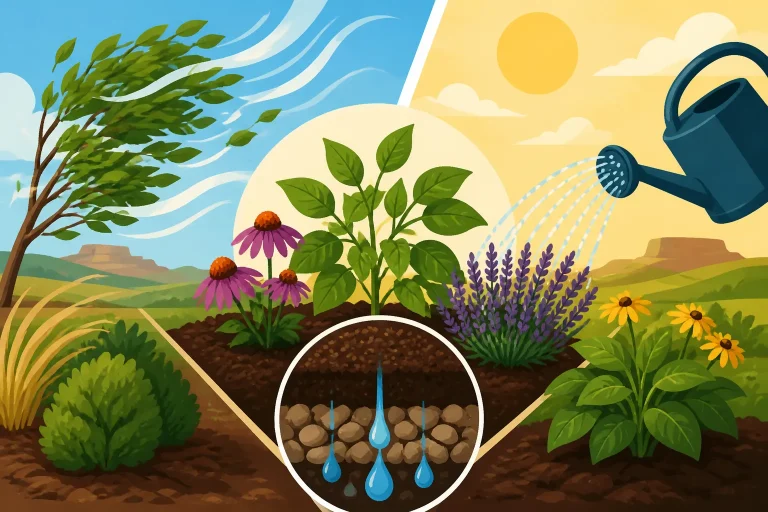
Wind also affects how well young plants establish. South Dakota’s prairie winds can dry seedlings and buffet transplants, especially soon after planting. Choose a sheltered place when possible, water the root zone as needed, and use protection that will not blow loose. The article South Dakota Garden Climate: Soil Drainage, Wind, and Watering explains how these conditions shape garden management.
Prepare seedlings and beds before the planting window
Much of the work that makes warm-season planting successful happens before the plants go outside. Preparation gives you more choices when the weather finally cooperates and helps prevent a rush to plant seedlings that are not ready.
Start with sturdy transplants
If you are growing tomatoes, peppers, or other warm-season crops indoors, provide enough light and avoid letting seedlings become tall and weak. A seedling that leans or stretches may be harder to acclimate and more easily damaged by wind. If a plant has outgrown its container, transplant it into a larger one rather than holding it for too long in a cramped root ball.
Keep seedlings watered consistently without leaving them in waterlogged containers. Before the outdoor transition, check that they are healthy and actively growing. Remove damaged leaves and set aside plants that are badly stressed; a weak plant does not become stronger simply because it is moved outdoors early. For indoor-start details, see Keeping Vegetable Starts Under Lights for Daily Growth.
Harden off gradually
Indoor conditions are sheltered from wind, direct sun, and rapid temperature changes. Hardening off gives plants time to adjust. Place seedlings outdoors in a protected location for a short period at first, then gradually increase exposure as weather allows. Avoid the harshest sun and wind at the beginning, and bring plants back under cover if a cold night or severe weather is expected.
Hardening off is not the same as cold treatment. The point is to adjust seedlings to normal outdoor conditions, not to expose them to frost. A plant can be sunburned or wind-damaged even when temperatures are comfortable. More detail is available in Hardening Off Spring Seedlings Before Planting Out in South Dakota and Acclimating Indoor Starts to South Dakota Spring Winds.
Prepare the bed without forcing the timing
Clear weeds and debris, loosen compacted soil when it is dry enough to work, and make sure water can drain away. A good bed should not remain waterlogged after rain or irrigation. If drainage is poor, resolve that issue before transplanting; cold, wet soil can compound the stress of a cool spring. See How to Tell If Your Garden Soil Drains Well Enough for Vegetables if you are unsure.
Add only amendments that suit the bed and crop. More fertility is not automatically better, and excessive nutrients can encourage lush growth that is not well suited to the conditions. If soil needs correction, choose amendments based on reliable soil information and follow product directions. A bed that drains well and has been prepared before planting is easier to manage than one hurriedly worked during a brief warm spell.
Protect young crops when spring turns cold
Even careful timing cannot eliminate every cold snap. Having a response plan helps you decide which plants need protection, what to do before a cold night, and when to wait rather than risk a planting.
Before a cold night
If tender crops are already outdoors and a frost or freeze is forecast, gather covers before evening. Cover plants in a way that reduces heat loss and keeps material from damaging foliage. Secure edges so wind cannot lift the cover, and avoid relying on a thin covering to protect crops through severe cold. Remove or vent protection when the weather warms so plants do not overheat.
Container plants can often be moved to a protected location. In-ground plants cannot, so prioritize crops that are most vulnerable or hardest to replace. If a planting has not yet happened, postponing it is often simpler than trying to protect a large bed through an uncertain cold spell.
For more on protective options and their limits, see Using Floating Row Covers in High South Dakota Winds and Using Walls-of-Water and Row Covers on Spring Tomatoes and Peppers. Protection depends on correct setup and the conditions outside; it does not guarantee that a tender crop will survive every freeze.
After cold damage
Do not assume a plant is dead as soon as leaves look limp or dark. Wait until conditions stabilize, then inspect the growing point and new growth. Damaged leaves may not recover, but a plant with a living stem or growing point may produce new leaves. Avoid making a quick decision based on one morning’s appearance.
Hold off on heavy pruning or fertilizing while the plant is still stressed. Water the root zone when the soil needs it, but do not keep cold soil saturated. If the main growing point has been killed or the plant is badly damaged, replacing it may be more practical than waiting. Keep a few spare seedlings or be prepared to buy replacements when locally available, but do not assume the replacement window will be identical for every crop.
Decide whether to replant
A lost planting does not always need to be replaced immediately. Check the variety’s days to maturity, the remaining warm growing period, and the current weather pattern before replanting. Fast-maturing crops may still have time to produce; a long-season crop may not. For ways to choose crops and varieties that fit the available season, see Fast-Maturing Crops for Shorter Northern Growing Seasons and Matching Days to Maturity to Northern South Dakota Seasons.
Adjust the calendar by crop and growing season
A crop’s ideal planting window depends not only on frost tolerance but on how much warm weather it needs to produce a harvest. The simplest way to make the calendar fit your garden is to match planting method, variety, and space to the time remaining.
Match the variety to the season
Read the seed packet or plant tag for days to maturity and other growing information. Use those details as a comparison tool rather than a guarantee: temperature, moisture, sunlight, and plant health can all affect how quickly a crop matures. A variety listed as quicker to mature can be a sensible choice when the season is short, but it still needs enough warmth to grow.
For tomatoes and peppers, select cultivars suited to the conditions in your part of the state. For vines, consider how much space you can provide and whether a large plant will have time to set and ripen fruit. The articles Choosing Shorter Vegetable Varieties for Windy South Dakota Sites and Selecting Reliable Pepper Varieties for South Dakota Growing Regions can help narrow choices.
Use indoor starting selectively
Starting seeds indoors can extend the time available for crops that benefit from transplanting. It is not useful for every vegetable, and starting too early can create overgrown plants that are difficult to manage while outdoor conditions remain cold. Choose indoor starting for crops that transplant well and need a head start; direct-sow crops that are suited to that method when the soil is ready.
If seedlings are still too small or weak when the weather turns favorable, give them time to develop rather than rushing them outside. Conversely, if a plant is becoming root-bound, pot it up or plan a careful transplant. Timing South Dakota Seedlings Under Lights Before Planting Out can help with the indoor timeline.
Plant in manageable stages
Planting a whole garden at once can leave you with too much work and too much risk on a single date. Staggering sowings of suitable crops can spread harvest and provide a backup if an early planting fails. This approach is most practical for crops that mature quickly enough to fit the remaining season.
Keep records of sowing and planting dates, varieties, weather setbacks, and harvest results. Note whether a bed warmed quickly, whether a cover helped, and which plants recovered from cold. A few observations will be more useful next spring than trying to remember which week felt warm.
Balance early harvest with reliable establishment
An early planting may produce an earlier crop when conditions cooperate, but it carries more risk. Waiting for warmer soil and a better forecast can lead to more vigorous growth and fewer losses, even if the harvest begins later. Your tolerance for risk, the cost of replacing plants, and the length of your growing season all matter.
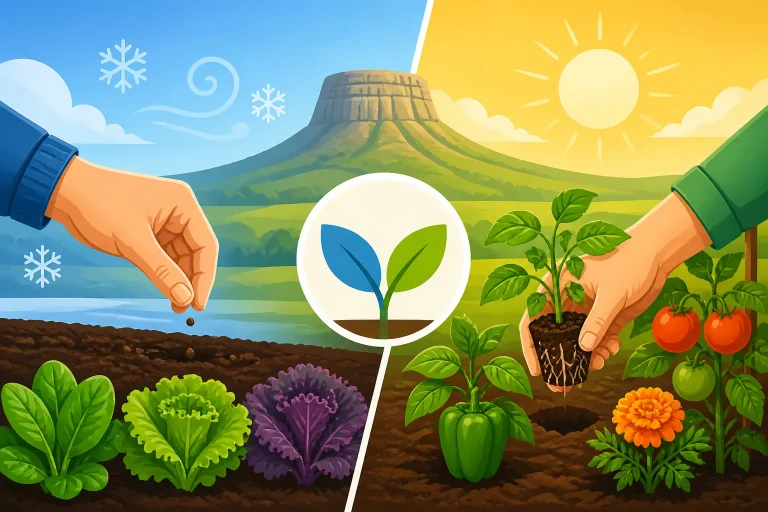
A practical compromise is to plant in waves: put in the most cold-tolerant crops first, then move to beans and other direct-sown warm-season crops as soil conditions improve, and save the most tender transplants and vines for settled warmth. Use protection as insurance, not as a reason to ignore a clear forecast warning.
Frequently Asked Questions
Can I plant warm-season vegetables as soon as the average last frost date passes?
Not automatically. An average or probability-based frost date is a planning reference, not a guarantee. Check the local forecast, soil conditions, and the crop’s cold sensitivity before planting.
What should I plant first in a South Dakota vegetable garden?
Cold-tolerant crops can generally go in before warm-season vegetables when soil is workable and the crop suits the conditions. Warm-season plants such as tomatoes, peppers, cucumbers, squash, and melons need a later, warmer window.
Do row covers make it safe to plant before frost risk has passed?
They may reduce cold exposure when used appropriately, but their protection has limits and depends on the weather and setup. If a severe cold event is forecast, waiting to plant tender crops is often the safer choice.
Should I start every warm-season vegetable indoors?
No. Tomatoes and peppers are common indoor-start crops, while beans and corn are generally direct-sown. Cucumbers, squash, and melons can be started indoors or sown outdoors, but seedlings should not be held so long that roots become crowded.
Disclaimer
This article is for general informational purposes only and does not constitute professional advice. Laws, prices and regulations vary by location and change over time. Consult a qualified professional for guidance on your specific situation. South Dakota Gardening Guide is not a government agency and is not affiliated with any university extension, state department of agriculture or other government agency.